On this page: Key takeaways · What should a frontline job advert say before anyone applies? · Why do candidates reject job offers? What Dutch job seekers say · Does the format of the first step change who stays? · What are the most common advert mistakes? · What should you measure after changing the advert? · What does this mean for staffing agencies? · Conclusion · How Radius helps · FAQ
Key takeaways
- Dutch job seekers most often name a negative company culture, too long a travel time and pay below a minimum as reasons to turn a job down (UWV, 2025). Few rank travel time as a priority beforehand.
- Only 10% of people on unemployment benefit and 13% of other job seekers say a salary indication is not essential in a vacancy.
- The first step matters too. In one US experiment, a recorded interview kept far fewer applicants than a live one.
Hiring for a warehouse or distribution centre? See how Radius Hire supports warehouse hiring.
What should a frontline job advert say before anyone applies?
Pay, shifts, travel, contract, the work, the first step and a reply date.
The advert is the cheapest place to prevent a refusal. If it leaves out a fact that decides the job, the candidate learns it at the interview or the offer, and may say no. Run this checklist on your next vacancy and the first step after it.
- Pay. The hourly rate or range in euros, gross, plus shift allowances, overtime and weekend rates.
- Shifts and hours. Start and end times, the rota, weekends, hours per week and how far ahead the schedule is known. If the early shift starts at 05:30, say so (why saying so is a courtesy).
- Location and travel. The site, and how people get there at shift times: public transport at the start time, parking, bike storage, travel allowance.
- Contract. Agency or direct, temporary or permanent, how long, and any route to a permanent contract.
- The work and the place. Pace, lifting, cold or noise, who trains new starters, and a way to see the site first, such as a short visit or a job shadow day.
- The first step. What it is, how long it takes and when it can be done. If the format is new, such as an automated interview, explain it and offer a call with a person instead.
- The reply date. When candidates will hear back, and from whom. Then keep to it.
Honest detail earns its space. A meta analysis of 52 studies found that realistic job previews affect voluntary leaving mainly by making the organisation seem honest (Earnest, Allen and Landis, 2011).
Why do candidates reject job offers? What Dutch job seekers say
Company culture, travel time and pay top the Dutch survey data.
UWV, the Dutch employee insurance agency, surveyed 2,618 job seekers and 1,603 people on unemployment benefit (WW) online, all of whom had actively looked for work in the previous three months (UWV, 2025, p. 10). These were the reasons they named most often for turning down an offered job (p. 5):
Source: UWV (2025), Figure 4, p. 5. Netherlands, 2025; online survey; reasons stated by job seekers themselves, all occupations. Most "other job seekers" were in work: 81% were employees and 9% self employed (p. 10).
Most deal breakers are facts you can print. Pay, travel, hours and contract type all fit in an advert. Culture is harder to write down, so let people see it: a job shadow day (meeloopdag) appealed to 52% of people on benefit and 40% of other job seekers (p. 7).
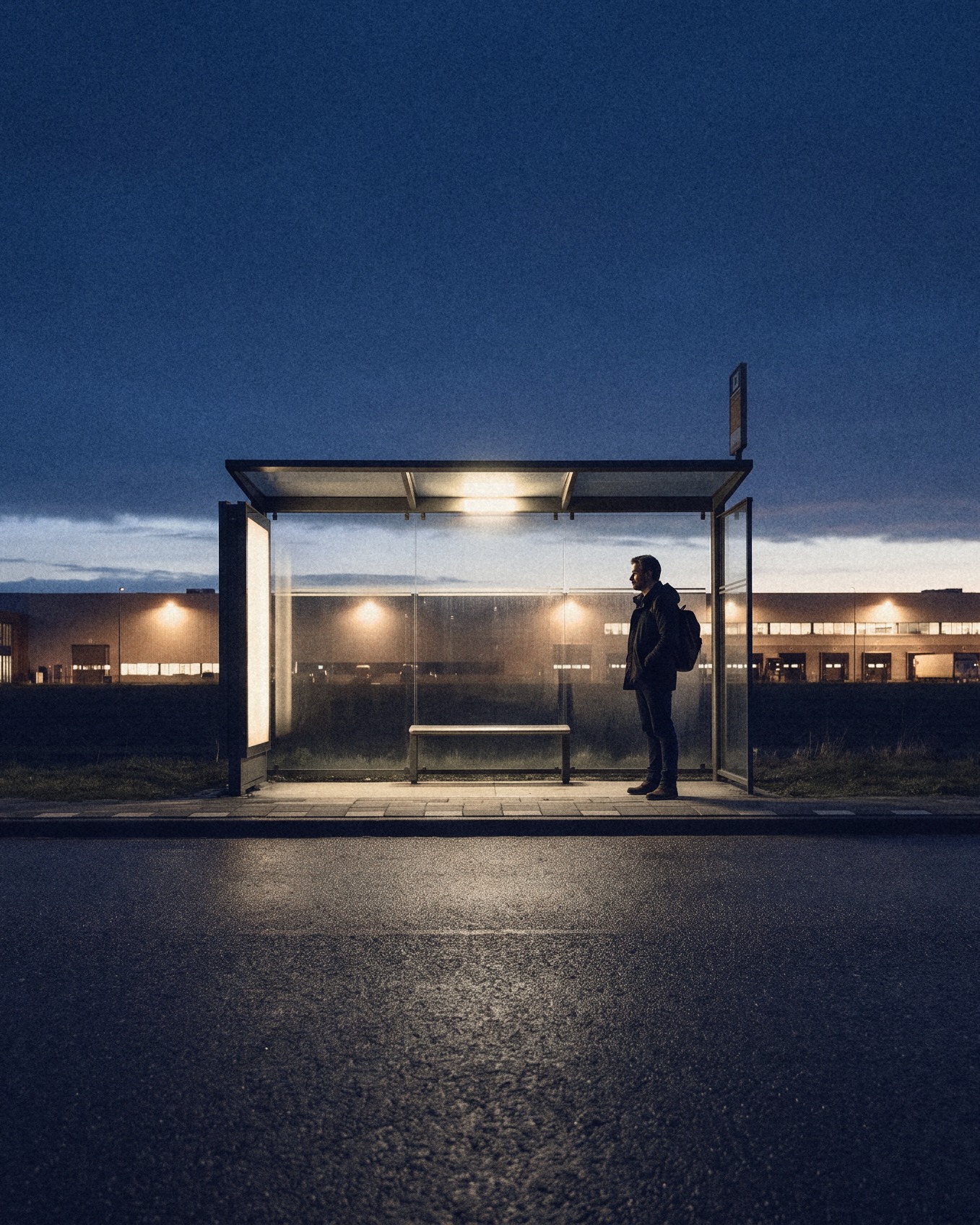
Travel is the silent one. Asked to pick up to three things that matter most in a job, only 16% and 15% chose an acceptable travel time (p. 4). Yet 66% and 43% named too long a journey as a reason to say no. Because candidates do not rank it highly, they may not raise it until the offer. Shift work makes it sharper: a site 25 minutes away at 09:00 can be out of reach by bus at 05:30. Of those who called a long journey a deal breaker, 18% would still accept one to improve their chances, and UWV names travel allowances as a way to help (p. 6).
Travel is the silent one
People want the basics in the vacancy. No item was called not essential by a majority. A salary indication was called not essential by just 10% of people on benefit and 13% of other job seekers; hours per week by 10% and 15%; location by 9% and 10% (p. 3).
These are stated reasons, not observed decisions, across every kind of job. Our reading is that they fit frontline roles closely, because pay, shift times and the journey decide most of them.
Does the format of the first step change who stays?
Yes. In one US experiment, a recorded interview lost the most applicants.
Avery and colleagues randomly gave 3,296 US applicants for programmer, web designer and content creator jobs one of three next steps (Avery et al., 2026). In the control group, 85% confirmed their interest with one click. Only 40% completed a recorded audio or video interview with no interviewer present, while 68% joined a live online interview (p. 15). The recorded format deterred the best qualified applicants too, and women more than men (p. 18). In a complementary vignette experiment, participants rated the recorded format as less fair and assumed more applicants had been invited (pp. 23 to 25).
The limits are real: one US study from 2024, not yet peer reviewed, with only 94 people in the live group. We build a voice interview that candidates take when it suits them, so we read this as design rules for our own work: say how long the step takes and who reviews it.
What are the most common advert mistakes?
Vague pay, vague hours and no named site.
| Mistake | What the candidate concludes | Fix |
|---|---|---|
| "Competitive salary" or "salary in consultation" | The pay will only come out at the offer | State the hourly rate or range, gross, and the allowances |
| "Flexible hours" for a fixed rota | The hours may suit them | Give start times, the rota and weekend work |
| A region instead of a site | The journey is unknown | Name the site and the transport at shift times |
Illustrative example: an order picker advert, before and after
This example is invented to show the checklist in use.
What should you measure after changing the advert?
Completion at each step, and offer acceptance with reasons.
- Completion of the first step, by format. Of the people invited to the first step, what share finish it? Compare formats or routes, such as an automated interview against a call with a recruiter.
- Offer acceptance, with a reason for every no. Use reason codes that mirror the UWV list: pay, travel, hours, contract, culture, work and private life, induction. If most refusals cite something the advert never mentioned, start there.
Compare the same roles over several weeks, because small numbers swing. For a structured start, audit one role in an hour.
What does this mean for staffing agencies?
Get the seven facts from the client before the vacancy goes live.
Agency adverts sometimes hold back the site or the rate. That protects the client relationship but pushes the deal breakers late, and the agency pays for the lost time. Agree with each client which facts may be published; where the site cannot be named, give the area, the shift times and the transport at those hours.
Conclusion
Put the deal breakers in the advert, then test the effect. Dutch job seekers say pay, the journey, the hours, the contract and the feel of the place decide whether they say yes; most of that fits in an advert, and the rest can be shown on a site visit. We found no Dutch study that tests advert changes against offer acceptance in frontline roles, so treat the checklist as good practice and check it against your own figures.
How Radius helps
Radius Hire is the AI hiring platform for frontline roles. It is built to bring deal breakers forward, so they are checked before an offer rather than discovered at it.
- The AI Interviewer is a short, structured voice interview that candidates can take on their phone whenever it suits them, in the language set for the role. Candidates are told at the start that the interviewer is automated and that a person reviews the result.
- Match shows, for each requirement, whether it is backed by a document or a check, rests only on what the candidate said, or is still missing.
- Radius never rejects a candidate on its own. A recruiter reviews the evidence and makes every hiring decision.
Radius is built for employers and staffing agencies that hire for roles such as warehouse work.